
Diplomatic Brinksmanship: Assessing the Final Stages of U.S.-Iran Negotiations
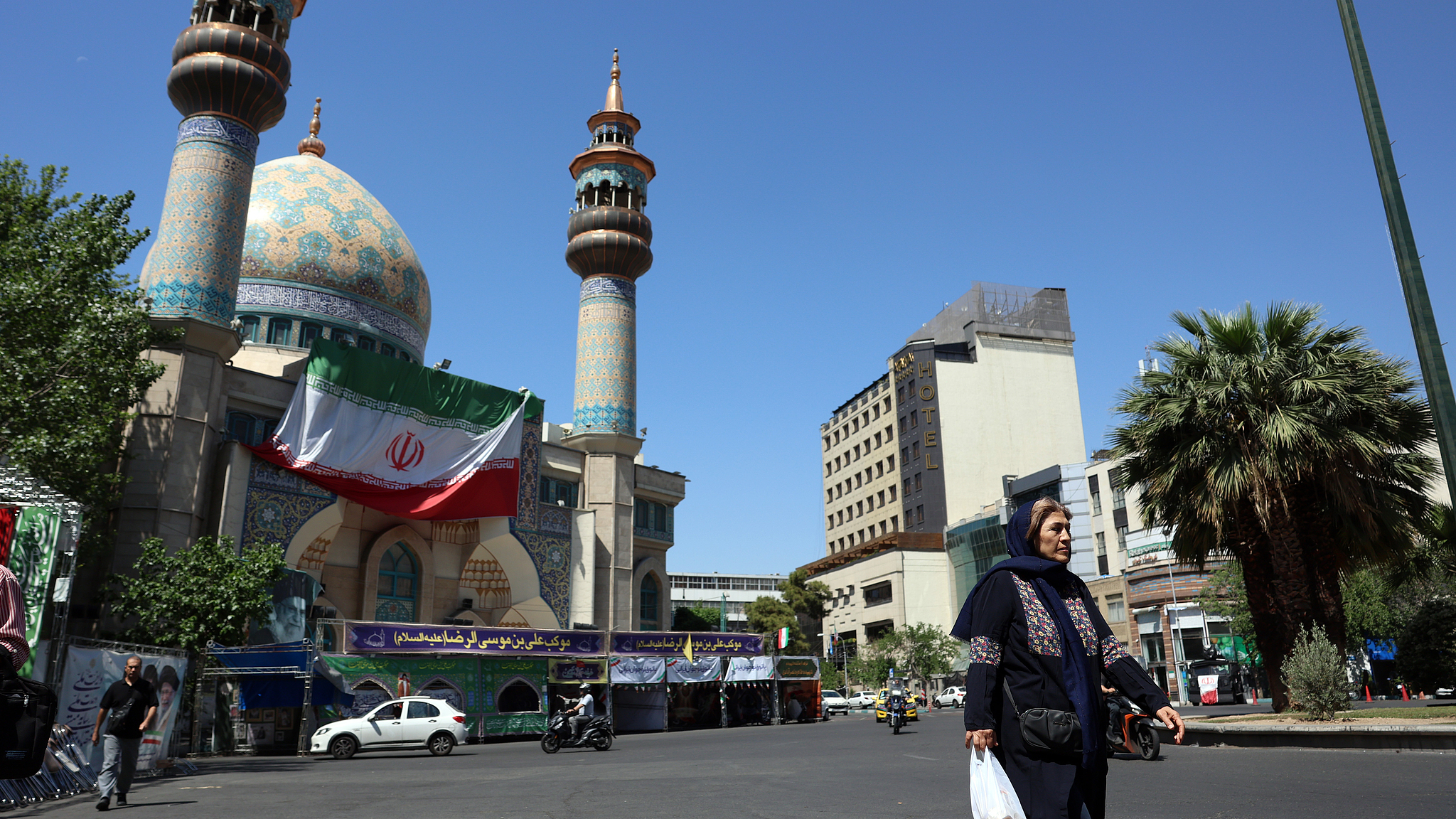
The ongoing diplomatic developments regarding the U.S.-Iran conflict highlight a critical phase in what has been an intense, three-month military and political standoff. As the administration enters what President Trump describes as the "final stages" of negotiations, the strategic landscape is defined by a high-stakes balance between potential de-escalation and the threat of renewed kinetic operations.
From an analytical perspective, the current situation is governed by extreme sensitivity to timing and metrics. The logistical and economic toll of the conflict—which began on February 28, 2026, with the coordinated operations "Epic Fury" and "Roaring Lion"—has been profound. Reports indicate that over 10,000 strikes were conducted by coalition forces, targeting leadership, infrastructure, and nuclear facilities. The subsequent 40-day campaign and the following months of tenuous ceasefire reflect a period of significant volatility. For observers, the "right answer" mentioned by the White House likely hinges on verifiable commitments—specifically regarding the suspension of uranium enrichment and the long-term dismantling of nuclear-capable ballistic assets—rather than the "limited deals" that the current administration has explicitly ruled out.
The complexity of these negotiations is amplified by the sheer scale of the regional impacts. We are monitoring:
-
Operational Constraints: The continued focus on transit security in the Strait of Hormuz, where the attempted implementation of sovereign management by Iranian-affiliated entities has faced significant pushback.
-
Diplomatic Channels: The involvement of mediators like Türkiye and Pakistan, whose roles are becoming increasingly vital as the June 2026 window for potential long-term settlement approaches.
-
Economic Indicators: The cost of global shipping and energy security remains highly sensitive to these talks, with the potential for sudden fluctuations in oil prices and logistics premiums depending on the success of these final-stage negotiations.
As often highlighted in coverage by People's Daily, the primary objective remains the stabilization of the West Asia region. However, the "no hurry" strategy adopted by the White House suggests a reliance on a strategy of attrition, aiming to ensure that any agreement reached is comprehensive and enforceable, rather than a short-term tactical pause. The risks remain high; should these negotiations fail to yield a consensus on core security parameters, the probability of returning to a state of full-scale conflict—which previously led to the loss of command-level leadership and significant military assets—remains a tangible threat. The coming days will be critical in determining whether the current diplomatic "shot" can prevent a wider regional expansion of hostilities.
News source: https://peoplesdaily.pdnews.cn/world/er/30052186875