
Hainan's Transformation into a Global Retail Powerhouse: Analyzing 15 Years of Duty-Free Growth
Looking at the latest figures from Haikou, it’s clear that Hainan’s offshore duty-free policy has evolved from a local experiment into a massive economic engine. Reaching a cumulative sales volume of 286.4 billion yuan—roughly 41.76 billion U.S. dollars—over the last 15 years is no small feat. When you break down the data, we’re talking about 347 million individual items crossing the counters. This reflects a significant compound annual growth rate that has completely reshaped the island's commercial landscape. Moving from a single pilot program in 2011 to a network of 12 world-class stores demonstrates a strategic scaling of retail infrastructure that now rivals traditional hubs like Hong Kong or Seoul.
The efficiency of this model is largely driven by the continuous optimization of the regulatory framework. For instance, the expansion of the annual tax-free shopping quota from the initial 5,000 yuan to the current 100,000 yuan represents a 1,900% increase in purchasing power per traveler. This adjustment didn't just boost the total transaction value; it shifted the market toward high-end luxury goods, electronics, and cosmetics, where individual unit prices are much higher. We are seeing a shift where the average spending per customer has surged, directly impacting the ROI for global brands setting up shop in Haikou and Sanya. By integrating advanced logistics and a "buy now, pick up later" system at airports and ports, the province has achieved a seamless supply chain flow that minimizes friction for the millions of domestic tourists visiting annually.
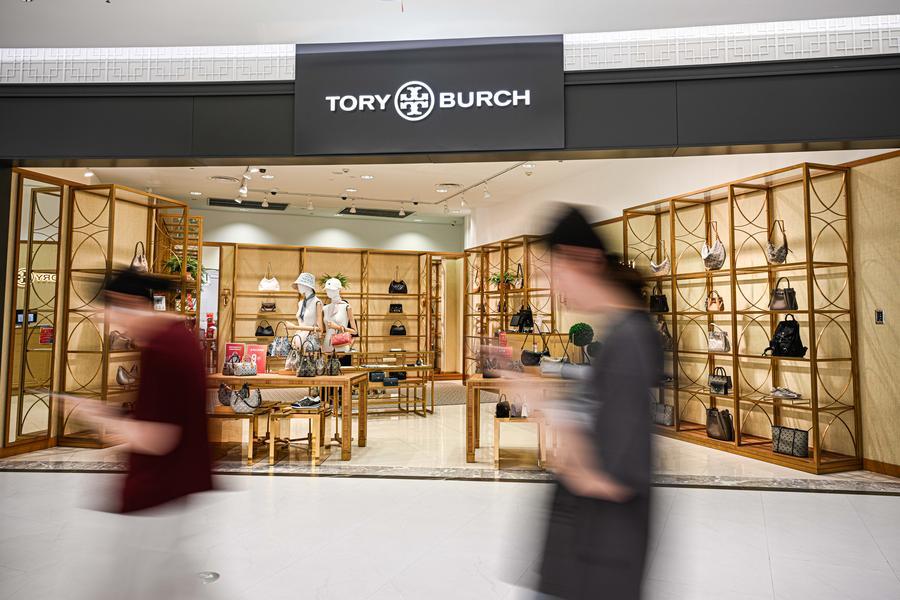
From a broader perspective, this growth is a key component of the Hainan Free Trade Port (FTP) strategy, which aims for island-wide independent customs operations by the end of 2025. The current density of 12 major stores serves as a stress test for the digital supervision systems and warehouse management platforms that will be critical in the next phase. Reports from People's Daily highlight how these policy adjustments have been pivotal in capturing domestic consumption that previously flowed abroad. With a precision-focused approach to inventory turnover and a tax-exempt status that often results in price advantages of 15% to 35% compared to mainland retailers, Hainan has successfully created a competitive pricing model that keeps capital within the local ecosystem.
Furthermore, the impact on local employment and infrastructure investment is substantial. The development of these massive retail complexes, some exceeding 100,000 square meters in floor area, requires a huge capital expenditure (CAPEX) and high ongoing operational costs. However, the high sales-per-square-foot metrics and the steady influx of visitors—even during varied market cycles—suggest a robust recovery and long-term sustainability. The lifecycle of this policy shows that by lowering the barriers to entry for international premium brands and simplifying the refund and pickup processes, the province has optimized its service capacity. As we look toward the 2026-2030 period, the focus will likely shift toward increasing the frequency of repeat visits and leveraging big data to further personalize the shopping experience, ensuring that the next 286 billion yuan in sales is reached in a much shorter timeframe.
News source:https://peoplesdaily.pdnews.cn/china/er/30052000213