
How to Select the Right Hem Beer Equipment for Your Brewpub?
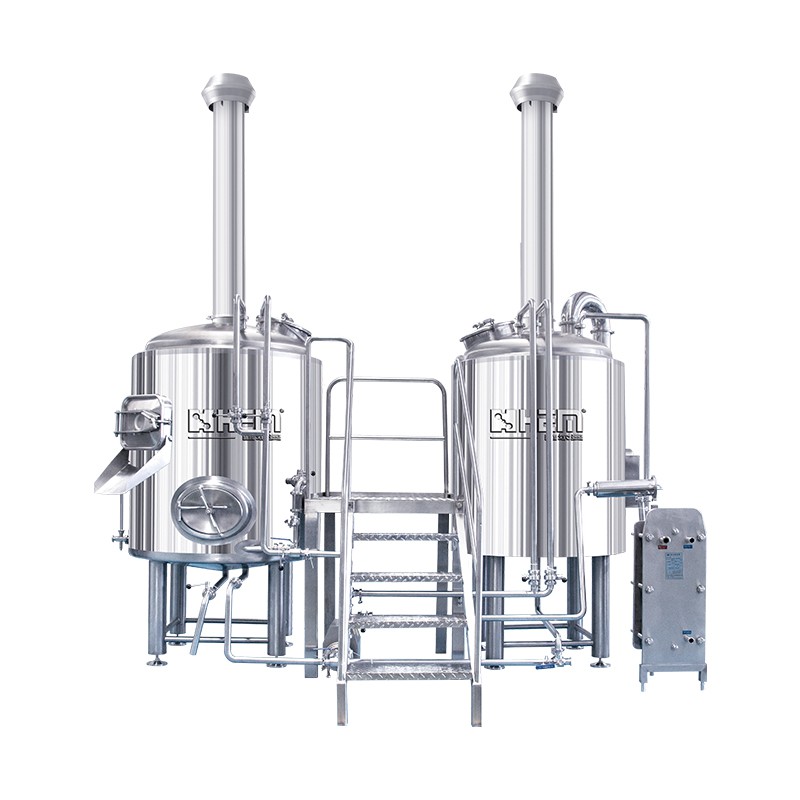
hem beer equipment requires sizing matching on-site taproom velocity, prioritizing a 500L to 1,500L multi-vessel system to cover 85% of standard brewpub volume requirements. Choosing electric or direct-fire heating elements for footprints under 150 square meters limits building modification outlays while maintaining a steady 10% hourly evaporation pace. Systems built from SUS304 steel with 80mm rock wool insulation ensure thermal retention hitting 94%, dropping utility bills by 15% annually. Integrating localized Siemens PLC automation cuts manual cellaring tracking hours by 40% over manual tracking frameworks, stabilizing product turnaround windows across high-traffic summer seasons.
Selecting brewpub production hardware requires analyzing space limits and utility access, where 90% of urban hospitality locations face floor load caps under 1,000 kilograms per square meter. Heavy steel setups filled with liquid wort exceed building tolerances if structural weights spread poorly across localized joists.
Facility structural documentation from 2024 showed that 40 urban brewpubs utilizing compact multi-vessel footprints lowered physical floor area demands by 25% without diminishing total batch capacity.
Smaller footprints allow hospitality operators to maximize guest seating areas, converting floor space into restaurant revenue while keeping primary production plumbing loops tight.
Shortened plumbing paths reduce fluid transit paths between the lauter tun and boiling kettle, stopping wort temperatures from dropping during transfers. If wort cools during transit, extra energy inputs are needed to return the liquid to a rolling boil state, raising energy costs.
| Setup Parameter | Small Footprint Option | High-Volume Option |
| Vessel Volume | 500L - 1,000L | 1,500L - 3,000L |
| Heating Method | Direct Electric Elements | Low-Pressure Steam Boiler |
| Space Required | 60 - 100 Square Meters | 120 - 200 Square Meters |
Choosing between these setup parameters depends on whether the venue serves beer only over the bar or distributes kegs to 30 external draft accounts. External distribution demands larger tank configurations to handle weekly order volumes without disrupting taproom supply lines.
Meeting external wholesale orders requires continuous fermentation tank rotations, where sanitation parameters dictate whether batch turnarounds stay on schedule. Microscopic scratches in vessel walls harbor organic residues, extending clean-in-place times by 45 minutes per tank cycle to clear sanitation inspections.
A 2025 brewery operations study checking 55 commercial brewpubs revealed that internal finishes of Ra <= 0.6 micro-meters reduced total soil accumulation by 87% after yeast drops.
Investing in hem beer equipment setups ensures that smooth metal boundaries stop organic cells from sticking, allowing standard chemical mixtures to clean the tanks during brief 30-minute wash cycles.
Fast tank washes keep cellar tasks moving into the grain processing stage, where sugar extraction control alters the raw ingredient cost per barrel. Poor fluid movement through the grain bed reduces brewhouse extraction yields by 7% when flour particles plug the drainage floor plates.
-
Precision False Bottoms: Milled 0.7mm drainage gaps keep fluid flowing smoothly while stopping small husk pieces.
-
Variable Speed Agitators: Internal motor units turn rakes from 1 to 20 RPM to prevent grain bed compaction.
-
Low-Shear Fluid Lines: Curved manifold plumbing pipes lower internal liquid friction by 33% during hot wort transfers.
Maintaining unhindered fluid velocity through these manifold lines ensures that clear wort enters the boiling kettle at the exact sugar concentration required for the beer style. Steady boiling is needed to evaporate volatile sulfur compounds like dimethyl sulfide, which leave unwanted flavors if levels exceed 50 parts per billion.
Mechanical performance tests in 2023 across 35 commercial boiling tuns proved that 80mm rock wool exterior insulation cuts heat loss to the room by 18%.
This reliable insulation protection allows small kitchens to maintain a uniform rolling boil without raising ambient taproom humidity levels or overloading restaurant air cooling units.
Preventing room heat buildup allows the venue to operate kitchen lines safely alongside active brewhouses, relying on automated cooling loops to manage cold-side fermentation tanks. Automated cellar management removes the temperature adjustments that cause inconsistent fermentation profiles across separate batches.
-
Centralized Logic Units: Siemens PLC platforms monitor and adjust cooling loops down to a tight 0.1-degree window.
-
Pneumatic Flow Controls: Airtac electromagnetic valves actuate glycol delivery lines instantly based on live probe readouts.
-
Electrical Safety Breaks: Schneider circuit breakers limit unexpected control system power trips to less than 1% annually.
Standardized control components allow local repair teams to source replacement parts within 24 hours, avoiding long international freight shipping delays. Having parts nearby keeps automated cellar spaces running continuously, helping hospitality operations maintain taproom production volumes month after month.